Getting quality sleep can be difficult in our busy modern lives. Many people struggle to fall asleep or stay asleep because of stress and anxiety or physical tension. Adding yoga to your evening routine offers a practical solution to these sleep problems. Yoga relaxes your muscles and quiets your thoughts while creating a peaceful state that helps you fall asleep more easily. Regular yoga practice before bed prepares your body for rest. The gentle stretches release tension that builds up during the day. Your breathing becomes slower and deeper as you move through the poses. This natural relaxation response tells your body it is time to wind down and prepare for sleep. Many people find that just fifteen to twenty minutes of simple yoga poses makes a real difference in their sleep quality. You don’t need special equipment or advanced skills to benefit from bedtime yoga. A quiet space and comfortable clothing are all you need to start this helpful practice tonight.
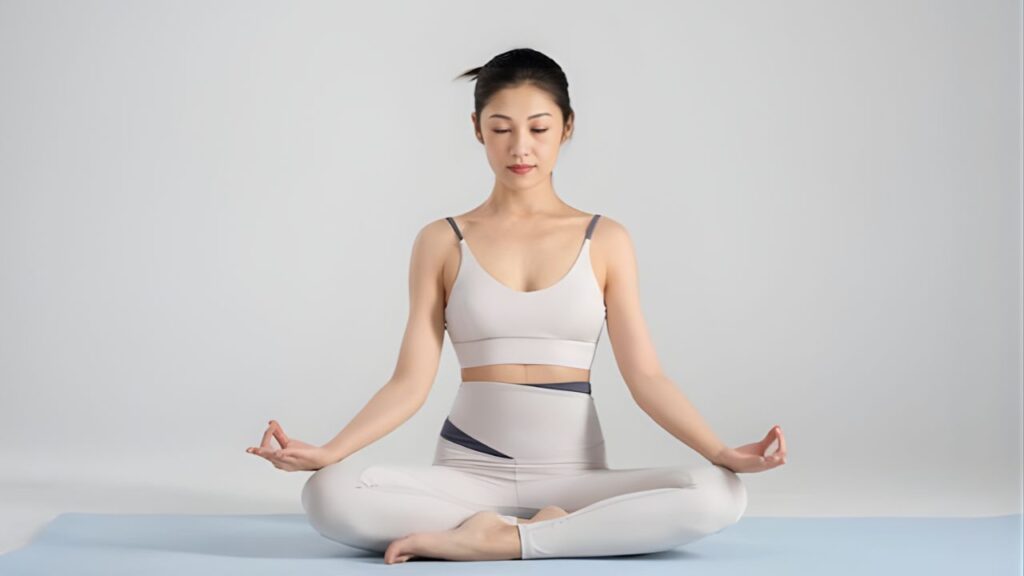
Wind-Down Yoga Poses for Nighttime Calm
oga Poses for Better Sleep Specific yoga poses work to calm your nervous system and reduce stress while getting your body ready for sleep. These poses provide gentle muscle stretches that release tension and help you relax. The most effective poses for improving sleep include several key positions. Child’s Pose helps quiet your mind by folding your body forward in a restful position. Legs-Up-The-Wall Pose reverses blood flow and signals your body to wind down. Reclining Bound Angle Pose opens your hips and chest while promoting deep breathing. Corpse Pose allows complete body relaxation as you lie flat on your back. Each of these positions targets different areas where we hold stress throughout the day. When you practice them regularly before bed they create a physical signal that tells your body it’s time to rest. The gentle stretching releases muscle tightness that might otherwise keep you awake. The focused breathing that accompanies each pose activates your parasympathetic nervous system which controls your rest and digest functions. You don’t need to be flexible or experienced to benefit from these poses. Even holding each position for just a few minutes can make a noticeable difference in how quickly you fall asleep. The key is consistency and creating a routine that your body recognizes as a precursor to sleep.
Child’s Pose for Full-Body Relaxation
Child’s Pose is a gentle resting pose that helps release tension in the back, hips, and neck. It promotes deep relaxation by calming the mind and allowing the body to release accumulated stress. To perform Child’s Pose, kneel on the floor, sit back on your heels, and lower your forehead to the ground while extending your arms in front of you. Hold for a few minutes, focusing on your breath.
Legs Up the Wall to Ease Fatigue
This restorative pose is ideal for reducing stress and calming the nervous system. It also helps improve circulation and relieve swelling in the legs. To practice this pose, lie on your back with your legs extended up against a wall, and let your arms rest by your sides. Stay in this position for 5 to 10 minutes, breathing deeply.
Reclining Bound Angle for Deep Nervous System Rest
This pose opens the hips gently and helps you relax deeply. Start by lying on your back and bend your knees while keeping your feet together. Let your knees drop open toward each side. You can put your hands on your belly or let them rest beside you. This position calms your body and gets you ready for sleep.
Breathwork Techniques to Signal Sleep
Breathing Exercises for Better Sleep Breathing exercises form a key component of yoga that helps people relax and prepare for sleep. When you take slow & deep breaths your body activates the parasympathetic nervous system. This system works to calm both your mind and your physical body. These breathing techniques offer a natural way to reduce stress at the end of your day. The practice requires no special equipment and you can do it right in your bed. Many people find that just a few minutes of focused breathing makes falling asleep much easier. The parasympathetic nervous system acts like your body’s natural brake pedal. It slows down your heart rate and lowers your blood pressure. This creates the perfect conditions for restful sleep. Regular practice of breathing exercises can improve your overall sleep quality over time. You can start with simple techniques that take only five to ten minutes. Focus on making your exhales longer than your inhales. This pattern sends stronger signals to your nervous system that it’s time to rest. With consistent practice these exercises become a helpful tool for managing bedtime anxiety and racing thoughts.
4-7-8 Breathing to Quiet the Mind
The 4-7-8 breathing technique is a powerful tool for calming the mind and preparing for sleep. Here’s how to do it:
– Sit or lie in a comfortable position.
– Inhale quietly through your nose for 4 seconds.
– Hold your breath for 7 seconds.
– Exhale completely and audibly through your mouth for 8 seconds.
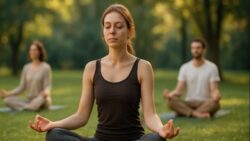
– Repeat the cycle three more times.
This simple exercise can reduce anxiety and stress, making it easier to fall asleep.
Build a Consistent Pre-Sleep Yoga Habit
Consistency is key to experiencing the full benefits of yoga. Try to incorporate yoga into your daily routine, especially in the evening, to help signal to your body that it’s time to wind down. A calming 15-20 minute yoga session before bed can make a noticeable difference in your sleep quality over time.
Set Up a Peaceful, Sleep-Friendly Space
In addition to yoga, your environment plays a crucial role in promoting quality sleep. Make sure your bedroom is conducive to rest by:
Keeping the room dark and quiet.
Ensuring the room is cool and comfortable.
Limiting screen time at least 30 minutes before bed to avoid the stimulating effects of blue light.
End with Mindfulness and Gentle Body Awareness
Yoga Nidra, also known as “yogic sleep,” is a form of guided meditation that promotes deep relaxation and mindfulness. It can help calm the mind, release tension from the body, and prepare you for a restful night’s sleep. You can listen to a Yoga Nidra recording before bed to guide you through the practice.