Yoga Poses for Flexibility and Mental Peace Yoga helps your body become more flexible while clearing your mind and balancing your emotions. Anyone can benefit from yoga regardless of experience level. Adding yoga to your everyday schedule brings calmness and energy to your physical and mental state. This article presents six yoga poses that improve flexibility & calm your thoughts for complete relaxation and better health.
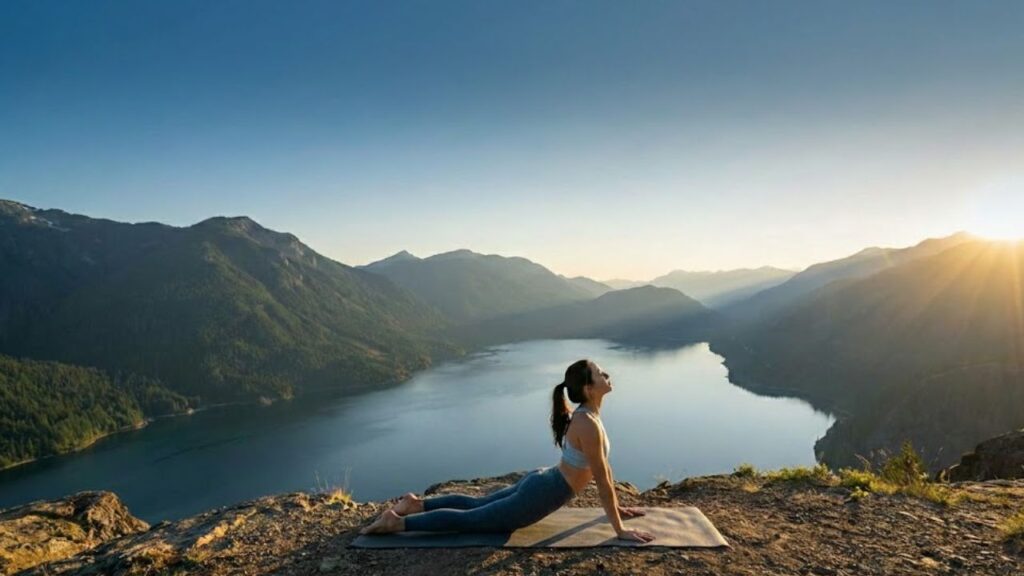
Downward Dog (Adho Mukha Svanasana): A Full-Body Stretch That Builds Strength and Mobility
The Downward Dog is one of the most iconic yoga poses that stretch and strengthen multiple parts of the body. This pose elongates the spine, stretches the hamstrings, and relieves tension in the back. By holding this pose for several breaths, you increase flexibility in your hips, legs, and shoulders, while simultaneously calming the mind.
Benefits of Downward Dog:
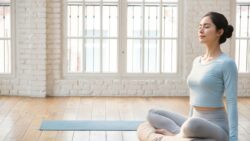 5 Effective Yoga Poses Designed to Increase Daily Mor1. Downward Dog: A Full-Body Wake-Upning Energy
– Improves flexibility in the hamstrings, calves, and shoulders.
– Strengthens the arms and core.
– Calms the mind and reduces stress.
How to do it:
1. Begin on your hands and knees, with your wrists directly under your shoulders and knees under your hips.
2. Lift your hips up and back, aiming to straighten your legs and form an upside-down “V” shape.
3. Keep your feet hip-width apart and hands shoulder-width apart, grounding them into the mat.
4. Hold for 30 seconds to 1 minute, focusing on deep breathing.
Child’s Pose (Balasana): A Restorative Posture for Deep Relaxation and Calm
Child’s Pose is a restful pose that gently stretches the back, hips, and thighs while promoting a sense of relaxation. It helps to release tension in the lower back and quiet the mind, making it an excellent choice for stress relief.
Benefits of Child’s Pose:
– Releases tension in the lower back and neck.
– Calms the nervous system and reduces anxiety.
– Improves flexibility in the hips, thighs, and knees.
How to do it:
1. Start by kneeling on the floor with your big toes touching and knees spread wide apart.
2. Slowly lower your torso toward the floor, bringing your forehead to rest on the mat.
3. Extend your arms forward or place them by your sides, whichever feels more comfortable.
4. Stay in the pose for 1–3 minutes, breathing deeply.
Cat–Cow Flow (Marjaryasana–Bitilasana): A Dynamic Movement to Awaken Spine Flexibility
The Cat-Cow Pose is a gentle flow between two movements that increase spinal flexibility and relieve tension in the neck and back. The dynamic movement between arching and rounding the back helps to loosen up the spine, and it also engages the breath to calm the mind.
Benefits of Cat-Cow Pose:
– Increases spinal flexibility.
– Stimulates the abdominal organs.
– Promotes mental clarity and emotional balance.
How to do it:
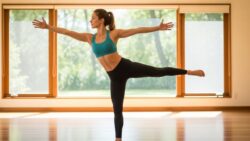
1. Begin in a tabletop position with your hands under your shoulders and knees under your hips.
2. As you inhale, arch your back (Cow Pose), lifting your tailbone and chest toward the ceiling.
3. As you exhale, round your back (Cat Pose), tucking your chin to your chest and drawing your belly button toward your spine.
4. Repeat the sequence for 5–10 rounds, focusing on deep and rhythmic breathing.
Standing Forward Fold (Uttanasana): A Simple Bend to Release Tension and Clear the Mind
The Forward Fold is a simple but powerful pose that stretches the hamstrings, calves, and spine. It also calms the nervous system by bringing the head below the heart, which has a soothing effect on the body and mind.
Benefits of Forward Fold:
– Increases flexibility in the hamstrings and lower back.
– Reduces stress and tension.
– Promotes deep breathing and mental relaxation.
How to do it:
– Stand with your feet hip-width apart and knees slightly bent.
– Inhale, and as you exhale, fold forward from your hips, bringing your head toward the floor.
– Keep your spine long as you fold, and allow your arms to dangle or hold onto opposite elbows.
– Stay in the pose for 30 seconds to 1 minute, breathing deeply.
Seated Forward Bend (Paschimottanasana): A Deep Stretch to Improve Hamstring and Back Flexibility
Seated Forward Bend is a calming pose that stretches the back and hamstrings while encouraging relaxation. It provides a deep stretch to the lower body and promotes flexibility in the spine.
Benefits of Seated Forward Bend:
– Deeply stretches the hamstrings and spine.
– Calms the nervous system.
– Improves digestion and reduces stress.
How to do it:
1. Sit on the floor with your legs extended straight in front of you.
2. Inhale, lengthen your spine, and as you exhale, fold forward from the hips, reaching for your feet or shins.
3. Hold the pose for 30 seconds to 1 minute, deepening the stretch with each exhale.
Legs Up the Wall (Viparita Karani): A Gentle Inversion for Total Body Relaxation and Recovery
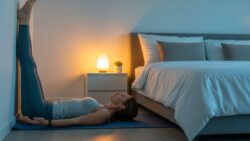
Legs Up the Wall is a restorative pose that helps to relax the body after a long day.
It encourages circulation, reduces swelling in the legs, and calms the nervous system.
This simple yet effective pose provides a deep sense of relaxation and peace.
Benefits of Legs Up the Wall:
– Improves circulation and reduces swelling in the legs.
– Calms the nervous system and promotes relaxation.
– Releases tension in the lower back and legs.
How to do it:
1. Sit next to a wall and lie on your back, extending your legs up the wall.
2. Keep your arms relaxed by your sides, palms facing up.
3. Close your eyes, relax, and breathe deeply, staying in the pose for 5–15 minutes.